Updated September 2026 · 8 min read
Short answer: To read a bill of lading (BOL), start at the top with the BOL and tracking numbers, confirm the shipper and consignee, then check the freight description, piece count, weight, and any special instructions. At delivery, compare the BOL to what actually arrived and note any shortages or damage before you sign.
That’s how to read a bill of lading in a nutshell. The BOL is one of the most important papers in wholesale shipping. It’s the carrier’s receipt for your goods, the contract for moving them, and sometimes proof of who owns them.
If you’ve started buying by the pallet or importing, you’ll see BOLs often. This guide explains each section in plain English, shows what to check, and covers the mistakes that cost buyers money.
What is a bill of lading?
A bill of lading is a document issued by a carrier (or its agent) when it picks up freight. It serves three main purposes:
- Receipt: It shows the carrier received a certain number of pieces in a certain condition.
- Contract: It sets the terms for moving the goods from origin to destination.
- Title document: For some ocean shipments, a negotiable BOL controls who can claim the cargo.
For domestic truck freight, federal rules at 49 CFR 373.101 say for-hire motor carriers covered by that rule must issue a receipt or bill of lading showing the consignor and consignee, origin and destination, number of packages, a description of the freight, and the weight, volume, or measurement when it affects the rate.
How to read a bill of lading, section by section
Layouts differ, but most BOLs have the same building blocks. Here’s what each one tells you.
| Section | What it shows | What to check |
|---|---|---|
| BOL number | The unique ID for this shipment | Matches your PO or supplier’s shipping notice |
| PRO or tracking number | The carrier’s tracking reference | Use it to track and file claims |
| Shipper (consignor) | Who sent the goods | Correct supplier name and pickup address |
| Consignee | Who receives the goods | Your business name and correct delivery address |
| Third-party bill-to | Who pays the freight, if not shipper or consignee | You’re not billed for freight the supplier agreed to pay |
| Freight terms | Prepaid, collect, or third party | Matches what you negotiated |
| Handling units and pieces | Number of pallets and cartons | Matches your order and what arrives |
| Description | What the goods are | Accurate, not vague |
| Weight | Total shipment weight | Reasonable for the order |
| Freight class / NMFC | Rate category for LTL freight | Correct class, since errors can trigger rebills |
| Special instructions | Liftgate, appointment, residential, etc. | Services you actually need are listed |
| Signatures | Shipper, carrier, and later the receiver | Your notes on condition before signing |
Freight terms: who pays?
- Prepaid: The shipper pays the carrier. The cost may still be added to your invoice.
- Collect: You, the consignee, pay the carrier.
- Third party: Someone else, such as a freight broker or your own account, pays.
Check this against your purchase terms. If you agreed the supplier would ship prepaid and the BOL says collect, call the supplier before the truck arrives.
What are the different types of bills of lading?
| Type | What it means | Where you’ll see it |
|---|---|---|
| Straight BOL | Non-negotiable. Goods go to the named consignee. | Most domestic truck freight |
| Order (negotiable) BOL | Can be transferred. Whoever holds the original can claim the goods. | Some ocean shipments, often with letters of credit |
| Master BOL | Issued by the actual ocean carrier for the full load. | Ocean freight |
| House BOL | Issued by a freight forwarder or NVOCC to each shipper. | Consolidated ocean shipments |
| Clean BOL | No notes of damage or shortage at pickup. | Any mode |
| Claused (foul) BOL | Carrier noted damage or problems at pickup. | Any mode |
Extra fields on an ocean bill of lading
Import BOLs add a few fields you won’t see on a truck BOL:
- Notify party: Who the carrier contacts when the cargo arrives, often your customs broker.
- Port of loading and port of discharge: Where the goods boarded and where they’ll be unloaded.
- Vessel and voyage: The ship and trip number, useful for tracking.
- Container and seal numbers: Check that the seal number at delivery matches. A different seal can mean the container was opened.
- Number of originals: For negotiable BOLs, how many original copies exist.
If you’re importing, your freight forwarder usually handles the master and house bills. Our guide on what a freight forwarder does explains that relationship.
What should you do when the shipment arrives?
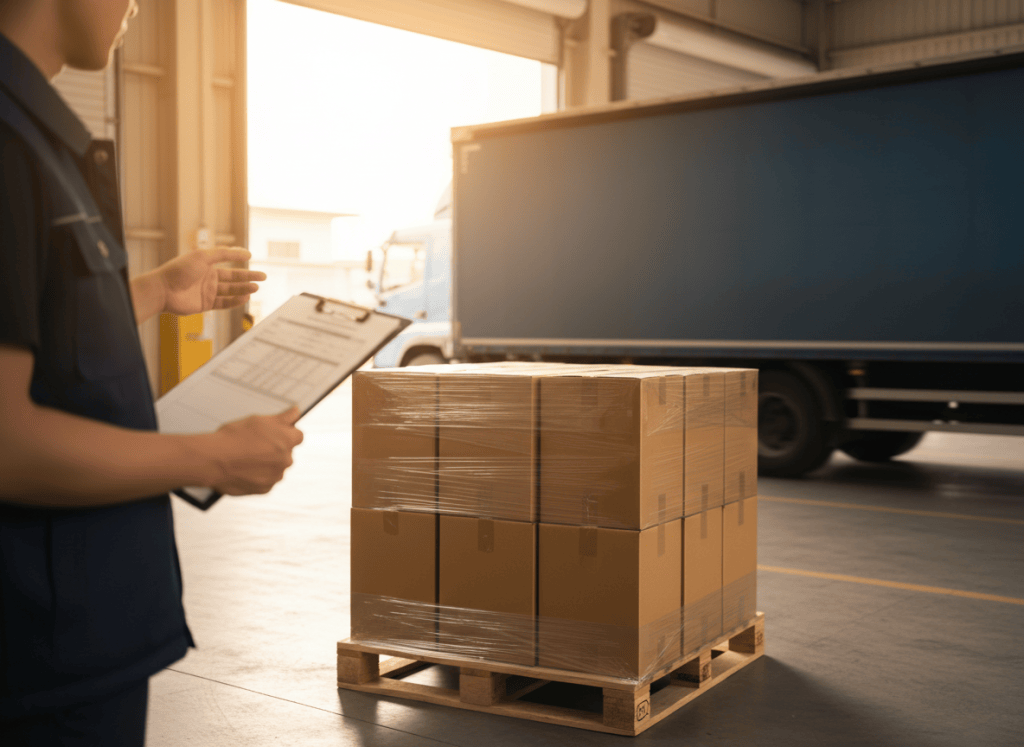
The delivery driver will ask you to sign a delivery receipt, sometimes a copy of the BOL. What you write here can make or break a damage claim.
At a glance: Receiving freight against the BOL
1
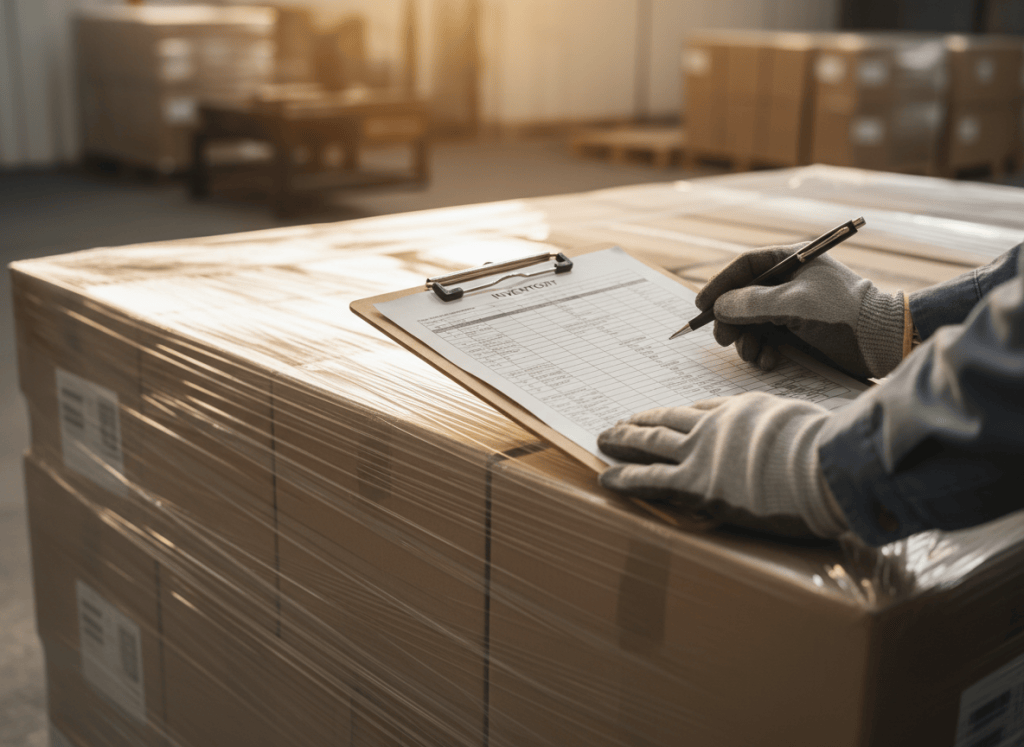
Count. Count pallets and cartons against the BOL before signing.
2
Inspect. Look for crushed, wet, torn, or re-taped cartons.
3
Note. Write specific exceptions on the receipt, then sign.
4
Photograph. Take photos of damage and packaging right away.
Checklist: What to write on the delivery receipt
- ✅ Exact counts if short: “Received 2 of 3 pallets”
- ✅ Specific damage: “Pallet 1 corner crushed, 4 cartons torn”
- ✅ Signs of tampering: “Shrink wrap cut and re-wrapped”
- ✅ Wet or stained cartons
- ✅ Your printed name, date, and time
- ✅ Driver’s signature next to your notes if possible
A signature with no notes is generally treated as a clean delivery. That makes damage claims much harder. Vague notes like “subject to inspection” are weaker than specific ones. Carrier rules and claim deadlines vary, so check your carrier’s terms.
For more on pallets moving through LTL networks, see LTL freight explained.
How do freight class and weight affect your cost?
For LTL shipments, the freight class and weight on the BOL feed into the price. If the carrier reweighs or reinspects and finds different numbers, it can send a corrected bill.
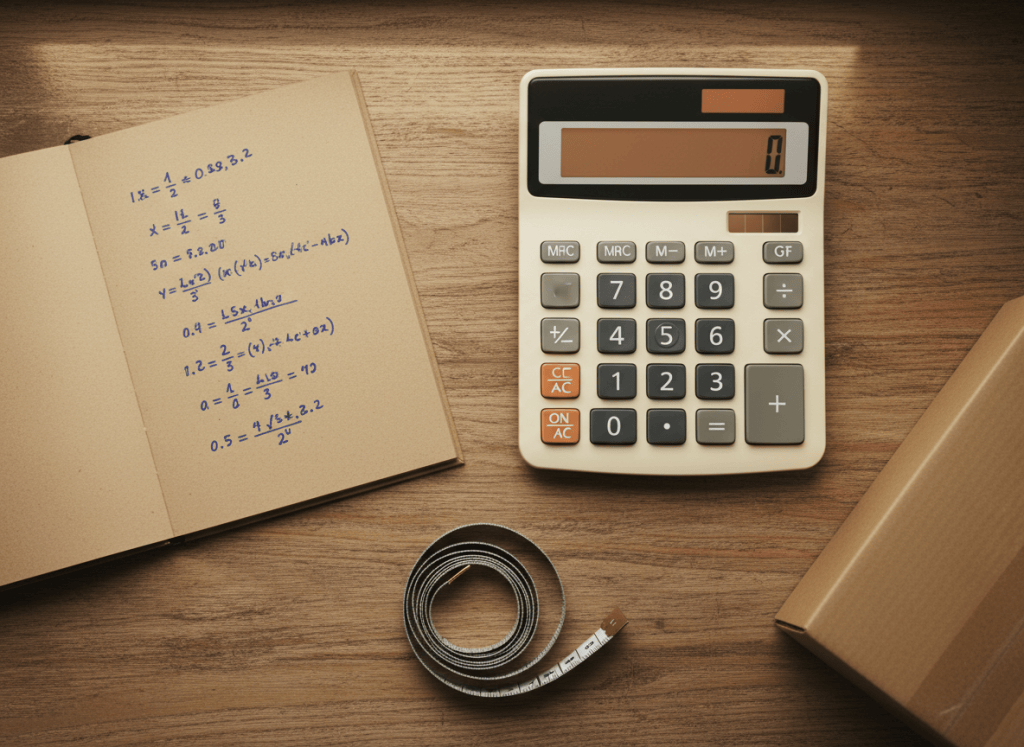
Weight check: expected shipment weight ≈ (units × unit weight) + (cartons × carton weight) + (pallets × pallet weight)
Example: 480 units × 1 lb + 20 cartons × 1.5 lb + 1 pallet × 40 lb = 550 lb. If the BOL says 900 lb, ask why before you pay the freight bill.
The numbers above are examples. Get real unit and carton weights from your supplier’s spec sheet.
Common bill of lading mistakes
- Wrong consignee address: Leads to redelivery fees or lost freight.
- Missing services: If you need a liftgate and it’s not on the BOL, expect a delay or extra charge.
- Vague descriptions: “General merchandise” can cause class disputes.
- Signing without counting: You lose your best evidence of a shortage.
- Ignoring freight terms: You pay freight the supplier promised to cover.
This isn’t legal advice. For claims or disputes, check your carrier’s rules and talk to a freight professional.
FAQ: reading a bill of lading
Who fills out the bill of lading?
Usually the shipper prepares it, often using the carrier’s form or system, and the carrier signs it at pickup. For imports, the carrier or forwarder issues it.
Is a bill of lading the same as a packing list?
No. A packing list details what’s inside each carton. The BOL covers the shipment as a whole and the terms of carriage.
What does “consignee” mean on a bill of lading?
The consignee is the party receiving the shipment, usually you or your warehouse.
Where do I find the PRO number on a bill of lading?
It’s usually near the top, often on a barcode sticker. Use it to track the shipment with the carrier.
Bottom line
A bill of lading tells you who shipped what, to whom, how much it weighs, and who pays. Check it before the truck arrives, count and inspect before you sign, and write specific notes about any problem. Those few minutes protect your money if something goes wrong.
 Wholesale Handbook
Leave a comment